
Vastu Rituals for Auspicious Beginnings
Before laying the foundation of a new home, Vastu Shastra prescribes sacred rituals to ensure the construction brings prosperity and peace. These ancient ceremonies honor the cosmic forces and seek blessings from divine energies that govern the earth and space. By performing these rituals with devotion and understanding, you invite positive energy into your home from the very beginning, creating a foundation for happiness, wealth, and spiritual well-being.
Kalash Sthapana and Invocation of Deities
The beginning of house construction in Vāstu Shastra is marked by the sacred ritual of Kalash Sthapana. A spotless pot is prepared by placing gold inside it, filling it with pure water, and adding grains, fragrant herbs, medicinal plants, and flowers. The Kalash is then wrapped in a red cloth, symbolizing divine energy. These rituals work in harmony with vastu guidelines for auspicious excavation and sacred land testing practices.
Once prepared, the Kalash becomes the seat of divinity. Invocations are offered to the Navagrahas (nine planets) and other gods. The Earth is also worshipped as Bhūdevi, imagined as a goddess surrounded by mountains, rivers, forests, and oceans.
After this, the guardians of the ten directions, family deities, Yakṣas, and Nāgas are invited and honored. Offerings are made, and chants of sacred mantras such as Jalayeti, the Ṣaḍṛc hymns, and the Rudrasūkta purify the ritual. Finally, Vāstudeva, the presiding spirit of the site, is worshipped and requested to bless the upcoming construction.
Prayer to Vāstupuruṣa
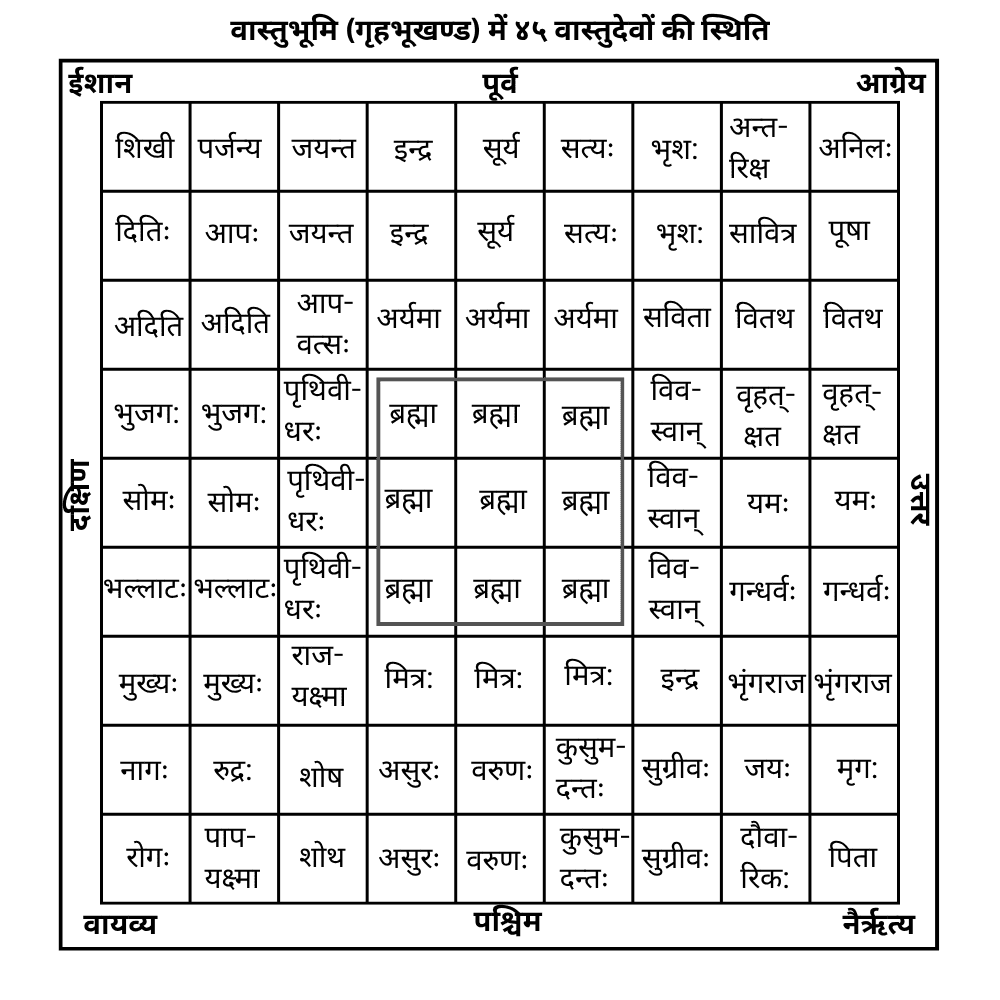
After Kalash Sthapana, the ritual proceeds with a prayer to the Vāstupuruṣa, the cosmic being believed to lie face-down across the land. He is revered as the life-force of the site, the primal energy that sustains all buildings and dwellings.
The prayer begins with salutations:
“O Vāstupuruṣa, the earth-bearing lord, the primal being of copper hue! You grant success in every construction, and both gods and men worship you day and night. Come forth into this sacred ground and accept our offerings. Make this home abundant in wealth, grains, and prosperity.”
Through this invocation, the builder acknowledges that disturbing the land is not merely physical labour but an act that requires spiritual harmony and the blessings of the guardian of space itself.
Drawing the Vāstupuruṣa
To further honor him, an image of the Vāstupuruṣa is drawn on the ground. This is traditionally done using flour paste or rice grains. The figure is depicted as serpent-like, symbolizing his vast, coiled presence across the earth. The drawing becomes a focus for offerings and prayers, connecting the household with the cosmic order.
Invocation, Worship, and Beginning of Excavation
The Vāstupuruṣa is then invoked through Vedic mantras, and his presence is honored with devotion. One such invocation declares:
“I call upon the Vāstupuruṣa, who lies face down within the earth, the lord of the site and life-force of the world, resting first in the east and northeast.”
Alongside him, the serpent deities (Nāgas) are also worshipped, as they are considered protectors of the land’s depths. With the mantra “Namo astu sarpebhyaḥ” (Salutations to all serpents), offerings are made before excavation begins.
The actual digging of the foundation starts in the central abdominal region of the Vāstupuruṣa, marking the act of creation. This is done with utmost care, accompanied by mantras, ensuring that the process remains aligned with divine order.
The Importance of Directional Purity
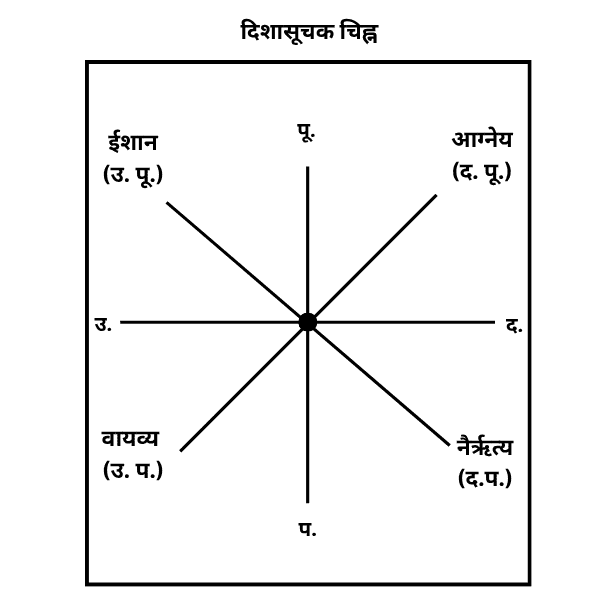
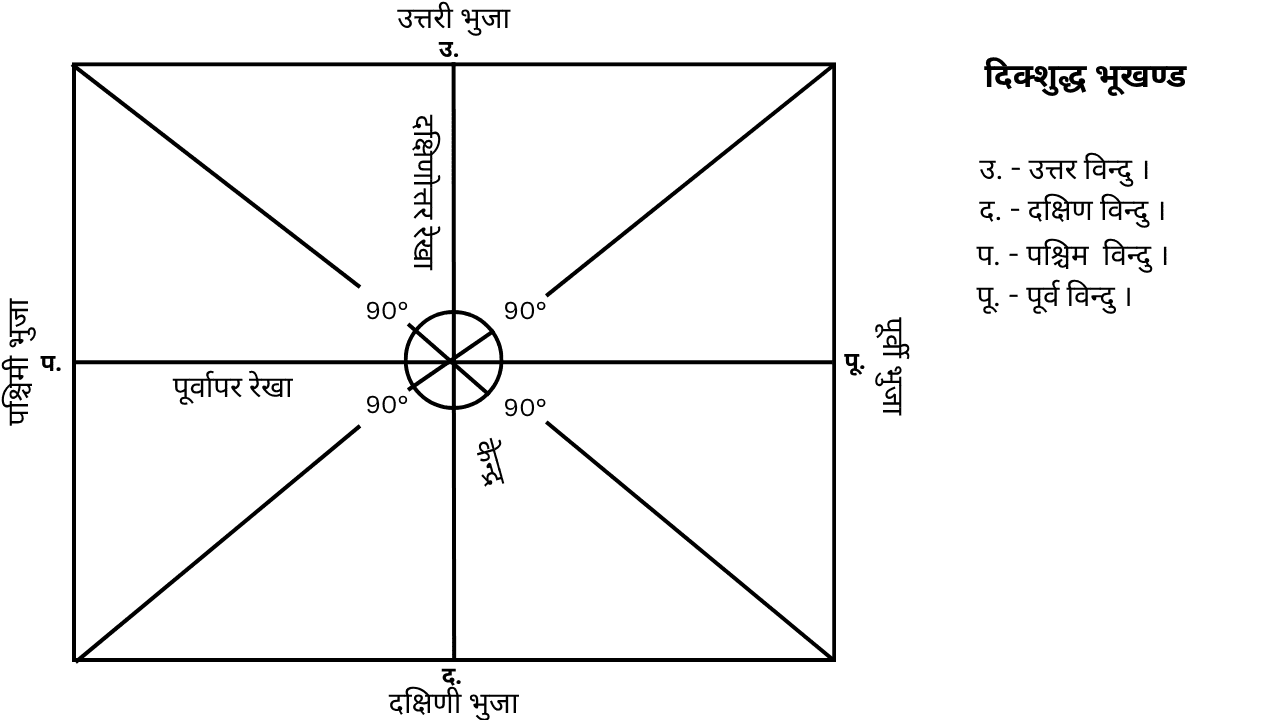
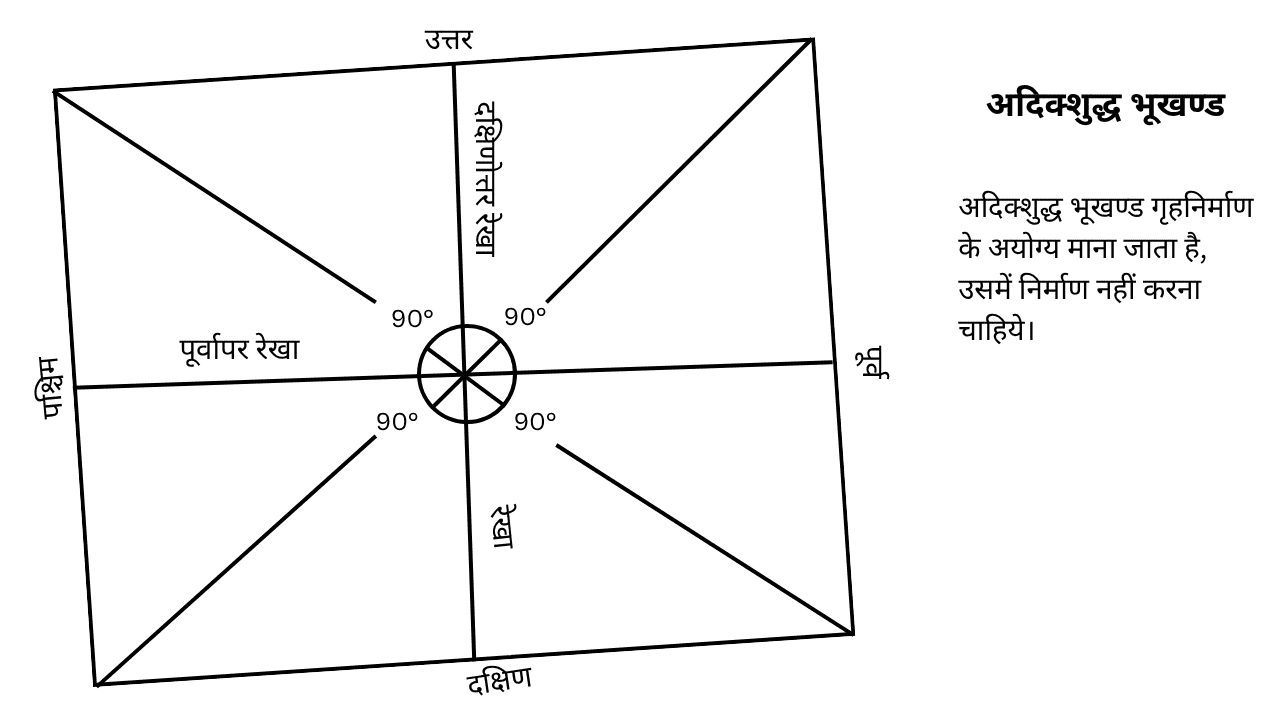
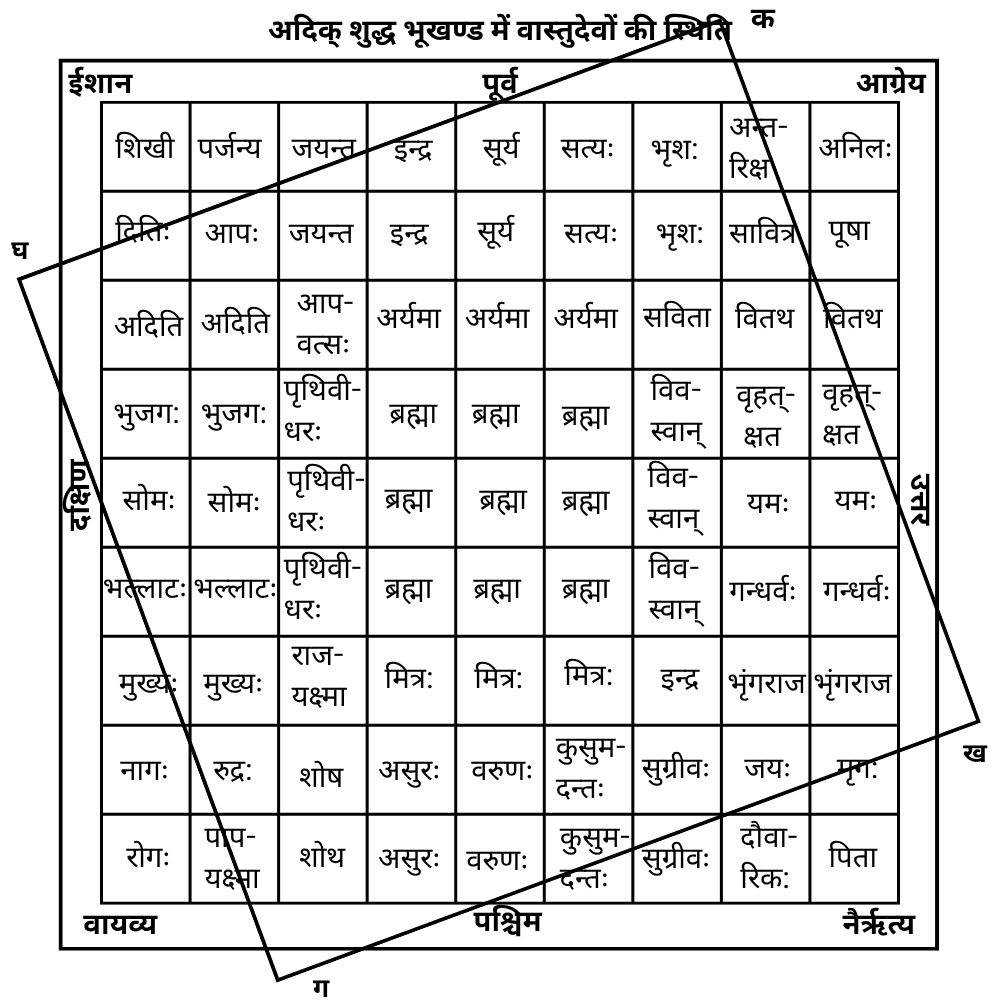
Before excavation, disha-śuddhi (purification of directions) is essential. A square or rectangular plot is preferred because only such shapes allow precise alignment with the cardinal directions—east, west, north, and south. If a plot is misaligned, construction disturbs the body of the Vāstupuruṣa, bringing inauspicious results.
Traditional methods include observing the sunrise during equinoxes or using the Dhruva star (Pole Star) at night. In modern times, a compass or plumb line is used to ensure accuracy.
Once true east-west and north-south lines are established, the plot is declared directionally pure (dikśuddha). Only then can foundation digging begin.
Auspicious Directions for Digging
Foundation digging is not random but follows the order of auspicious directions. Traditionally, excavation begins in the east or northeast, symbolizing growth and divine blessings.
From there, it continues toward the north and west, finally reaching the heavier southern and southwestern sides, which are linked with stability.
Beginning in the wrong direction, especially the southwest, is considered highly inauspicious, as it invites financial losses, health issues, or delays in construction. Thus, even the act of removing soil is treated as sacred, a balance between human effort and natural law.
The rituals of Kalash Sthapana, Vāstupuruṣa Pūjā, directional alignment, and foundation digging form the sacred foundation of any dwelling. They remind us that a house is not only a shelter but also a temple of life, where cosmic forces and human aspirations must coexist.
By honoring the Vāstupuruṣa and invoking divine blessings before the first spade of earth is lifted, the home becomes a vessel of harmony, prosperity, and spiritual well-being. These sacred practices complement the eight Āyās system and construction timing principles for complete guidance.